
Nvidia turmoil turns into a compute risk problem
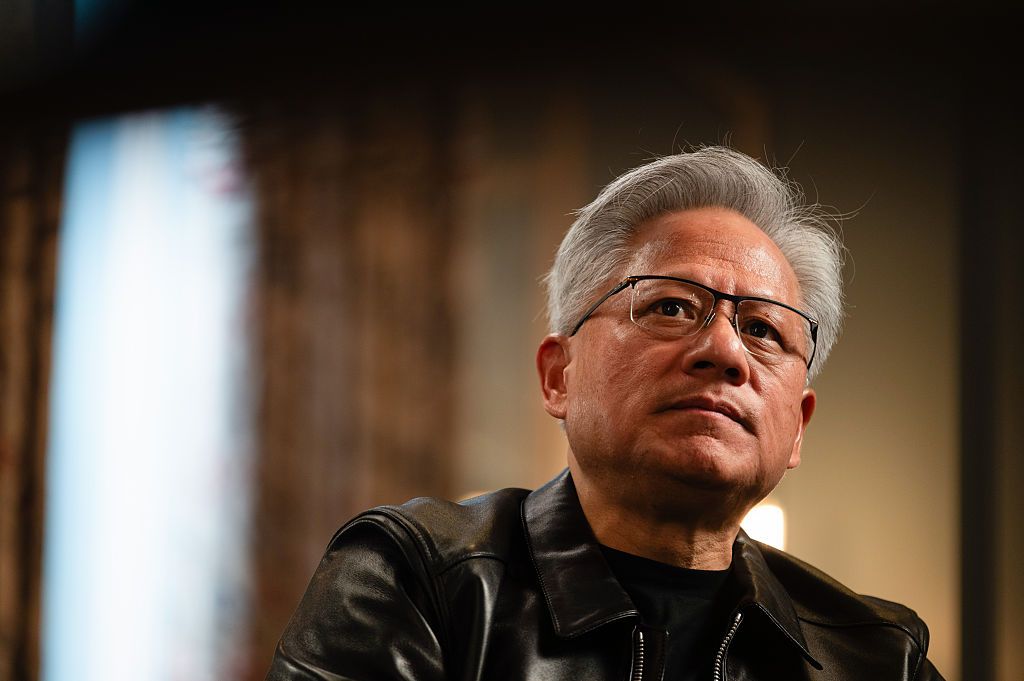
Nvidia's turmoil is spilling into Southeast Asia, while US infrastructure fragility and AI governance questions reshape how operators should manage risk this week.
Nvidia leadership turmoil raises real compute supply risk
New reports and timelines over the past two days say Nvidia is facing an intensified crisis around leadership, internal controls, and national security scrutiny, following allegations tied to relationships and potential chip diversion exposure.
This is bigger than headline drama because Nvidia sits underneath most AI buildouts, from cloud GPU capacity to on-prem inference clusters. When the supplier is distracted, investigated, or constrained by export policy, delivery schedules and pricing power can shift quickly, even for customers far from the US.
What this means for you If your AI roadmap depends on Nvidia hardware, treat this as a procurement and continuity issue now. Secure capacity with clearer delivery terms, model your unit economics with higher GPU price variance, and pressure-test alternatives for inference workloads where switching cost is lower.
Singapore-linked Nvidia probe increases compliance friction for AI infrastructure

An e27 report says Nvidia's board opened an independent investigation into Jensen Huang after he admitted an affair with an executive at Singapore-based Megaspeed, amid claims circulated among US policymakers about chip funneling concerns.
Regardless of the personal allegations, the business reality is that a Singapore anchor pulls Southeast Asia directly into US national security and export-control attention. That typically translates into more aggressive diligence requirements by partners, banks, and global customers when high-end compute is involved.
What this means for you If you resell hardware, operate GPU hosting, run a data center, or touch cross-border logistics for tech goods, expect longer onboarding and procurement cycles. Tighten customer screening, document end users and workloads, and prepare for "prove it" questions from enterprise buyers and financial institutions.
US aviation disruption shows how routine upgrades can break critical systems

The US FAA confirmed its nationwide ground stop was related to work replacing discontinued copper wire with fiber at a remote facility, with the root cause still not fully explained.
The key point is operational fragility. Major disruption can come from routine maintenance and misconfiguration, not only from cyberattacks. For operators, this reinforces that modern systems fail at their dependencies, especially connectivity and coordination between vendors.
What this means for you If your Southeast Asia business depends on US-linked travel, logistics, support teams, or cloud operations, build playbooks for partial outages. Add manual fallback steps for your most valuable workflows, and pre-write customer communications for service degradation scenarios.
OpenAI's board saga highlights why vendor trust is not a control system

A recent interview revisits the OpenAI board crisis through a former board member's perspective, arguing that CEO trust is not a governance model and that safety commitments can break under commercial pressure.
This matters because most businesses consume frontier AI through vendors, not research labs, and vendor incentives are to ship capabilities and grow usage. Governance failures upstream tend to reappear downstream as sudden policy changes, shifting product behavior, or liability pushed onto customers.
What this means for you If you use frontier models in high-impact workflows, build guardrails you control. Use human approvals for sensitive actions, maintain audit logs, and keep a credible second provider available so you can switch if policies or performance change.
When the compute supply chain, the regulators, and the model vendors all wobble at once, resilience becomes your AI advantage, not clever prompting.
That is it for today. See you tomorrow. — Thomas